The phrase "off-grid" has been so thoroughly colonised by the luxury travel industry that it now appears, without apparent irony, on the websites of properties that offer butler service and a spa. What it originally meant — no mains electricity, no municipal water supply, no reliable mobile connection — is what a smaller and more interesting category of lodges still actually means, and the question of whether accommodation that genuinely operates outside conventional infrastructure can compete with the five-star hotel as an experience of comfort and presence is one I've spent several years trying to answer. The short version: yes, sometimes, and when it does, the competition is not close.
The genuinely off-grid lodge presents a specific challenge that the hotel does not. In the absence of reliable power, temperature control depends on passive architecture — the positioning of buildings to catch prevailing breezes, the use of thermal mass in walls and floors to moderate daytime heat, the design of the roof line to shade during the hottest hours. When this is done well, you are more comfortable than you would be in a room with a climate control unit that hums and dries the air. When it is done poorly, you are hot and awake at three in the morning and regretting your choices. The skill of the architect is, in the off-grid context, more consequential than almost anywhere else.
The Best in Each Category
Best in the bush: Singita Lebombo, South Africa
Singita Lebombo sits at the northern end of the Kruger National Park, on a section of the Mozambique border defined by the N'wanetsi River, and its claim to off-grid operation is substantial: solar-powered, water-recycled, built from materials sourced within two hundred kilometres, and positioned on a private concession of fifteen thousand hectares that contains more large game per square kilometre than almost anywhere in Southern Africa. The rooms — eleven suites and a villa, cantilevered over the riverbank — are constructed with a floor-to-ceiling glass frontage that opens completely, removing the boundary between the room and the river valley below in a way that, at five in the morning when the first light is coming over the escarpment and a herd of buffalo is moving through the water below you, produces an emotional response that no room in a conventional hotel has ever matched.
When passive architecture is done well, you are more comfortable than in a room with a climate control unit that hums and dries the air.
Best on water: Misool Eco Resort, Raja Ampat
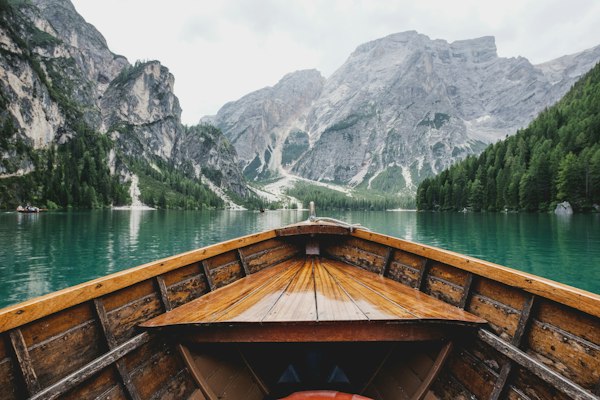
Raja Ampat, in the Bird's Head Peninsula of West Papua, contains the highest recorded marine biodiversity on earth. Misool operates on a private island at the heart of this system, solar and wind powered, with a no-take zone around its concession that has produced coral recovery visible over the course of a single stay. The bungalows are overwater, positioned above water so clear that the coral is visible from bed, and the absence of manufactured sound — no generators, no air conditioning — means that the transition between sleeping and waking is accomplished only by the sounds of the ocean and the birds of the forest, a combination that takes approximately one morning to fully appreciate and three days to feel you can live without.
Best in the mountains: Whitepod, Switzerland
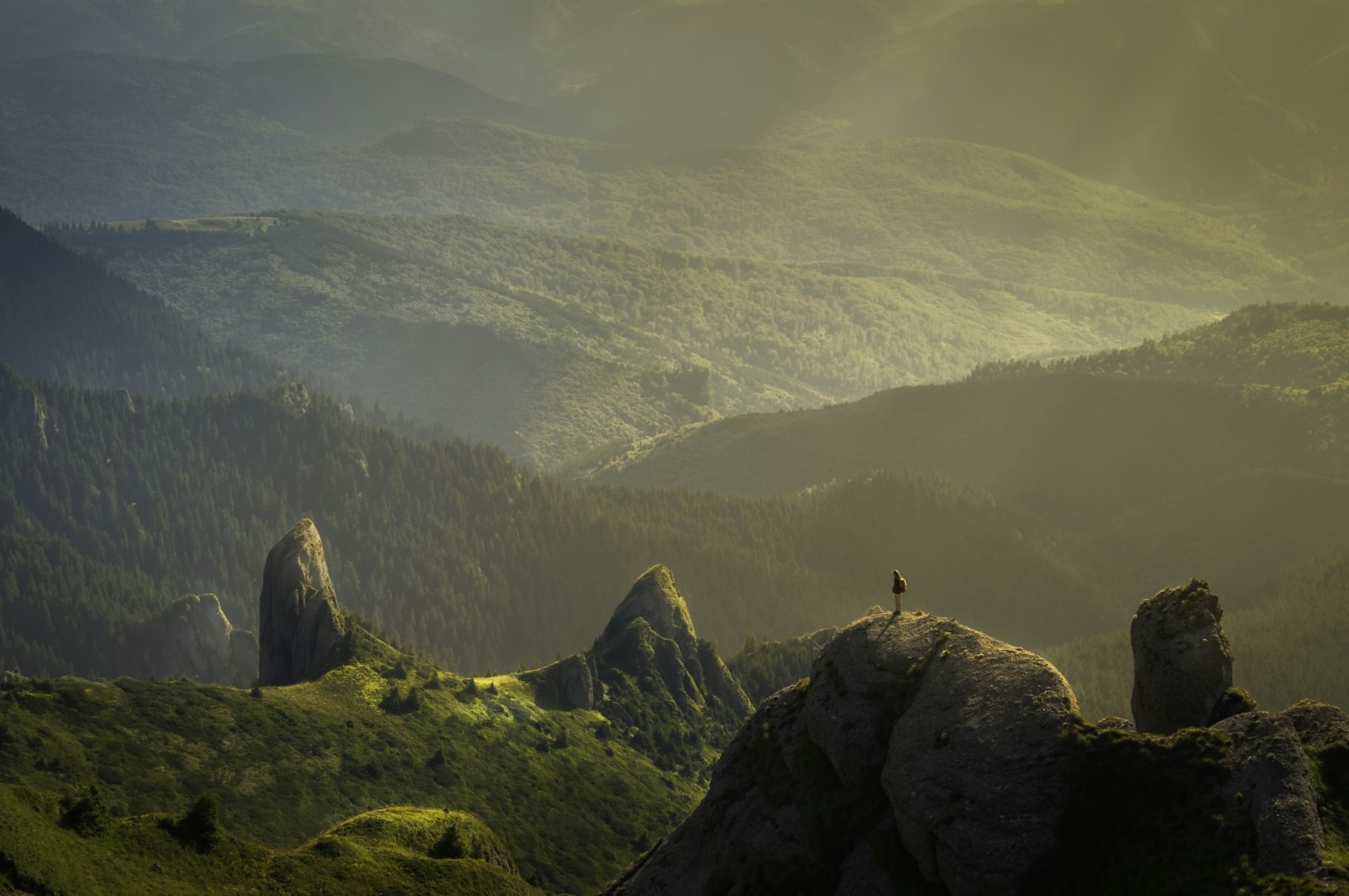
Whitepod operates in the Valais Alps at 1400 metres altitude using geodesic dome structures — pods — that are heated by wood-burning stoves and insulated by the geometry of the dome itself. The conceit could easily tip into novelty, and the fact that it doesn't is a credit to the siting — each pod positioned on its own slope with a view of the valley that removes any sense of adjacency to the other guests — and to the quality of the bed, which is the detail that ultimately separates interesting accommodation from comfortable accommodation. The breakfast, carried to the pod on a tray at whatever time you specify, is the correct breakfast: simple, local, requiring nothing supplemented from a buffet forty metres away.
What They Share
The lodges in this category that work — that genuinely compete with the best conventional hotels — share a quality that is difficult to quantify and easy to feel: the sense that the place was built by people who understood the specific landscape they were building in and made every decision in response to it. The five-star hotel, by contrast, is a product that can be replicated across contexts: the same formula applied to a city, a beach, a mountain. The best off-grid lodges are unreplicable. They are exactly themselves, in exactly this place, at exactly this moment of the evening light. That specificity is, in the end, what luxury means when it means anything at all.